


.png)
.png)


SWINE
RUMINANTS
POULTRY
COMPANION ANIMALS
AQUATICS
VISION
Building on our expertise in biotechnology and BIOPURE*, we develop sustainable solutions designed for integration into feed, agricultural, and production systems. Our innovations are guided by scientific research, responsible manufacturing, and long-term environmental objectives.
MISSION
To contribute to integrated and science-based approaches aligned with the WHO One Health framework, supporting sustainable practices across animal production, agriculture, and environmental systems.
STRATEGIC ROADMAP
2026: Multi-Sector Expansion
We will expand dedicated verticals across Animal Production, Agriculture, and Human Applications, powered by proprietary biotechnology platforms designed to support sustainable and responsible system management.
2035: Market Penetration Goal
We aim to expand our presence across Animal Production, Sustainable Agriculture, and related sectors through science-led solutions focused on responsible microbial management and system efficiency.
Our Impact:
-
Support operational efficiency
-
Promote responsible resource utilization
-
Contribute to sustainable production practices
By your side for their health

THE ONE HEALTH VISION
A sustainable bridge between biotechnology and global biosecurity
We align our R&D and distribution networks with the global 'One Health' framework. By displacing legacy chemical dependencies with targeted biological alternatives, we protect animal welfare, enhance farm profitability, and combat the global threat of antimicrobial resistance.

GLOBAL CHALLENGES
Intensive animal farming relies heavily on antibiotics and chemical treatments, fueling the rapid rise of antimicrobial resistance (AMR) and harder-to-treat superbugs. Trapped in this reactive cycle, high-density poultry and aquaculture operations remain highly vulnerable to fast-mutating pathogens, risking catastrophic livestock losses that directly threaten global food security.

Why Now?
The Inevitable Transition
Global demand for science-based production systems is accelerating alongside tightening regulatory pressures and evolving market expectations. Conventional agricultural approaches face intensive scrutiny regarding long-term sustainability, system efficiency, and regulatory alignment.
Industry leaders are actively shifting away from legacy methodologies in search of scalable, research-driven solutions. Innova Biotechnology directly addresses this institutional gap through BIOPURE* - our proprietary biotechnology platform engineered to support sustainable feed matrixes and production systems while ensuring strict alignment with modern safety, quality, and regulatory compliance standards
*BIOlogical Products Using Responsible Elements

Science-Driven Innovation
Advanced biotechnology powered by our proprietary BIOPURE* platform, engineered for seamless integration into modern feed and production systems.
Sustainability at the Core
Eco-efficient solutions designed to support environmentally responsible, resource-optimized, and quality-focused agricultural practices.
Why Choose Us?
Global Vision, Local Impact
Adapting world-class, science-based innovations to fit specific regional production environments and localized regulatory standards.
Addressing Unmet Market Needs
Scalable, research-led technologies strictly aligned with evolving global regulatory frameworks and sustainable production demands.
BIOPEPTIDES
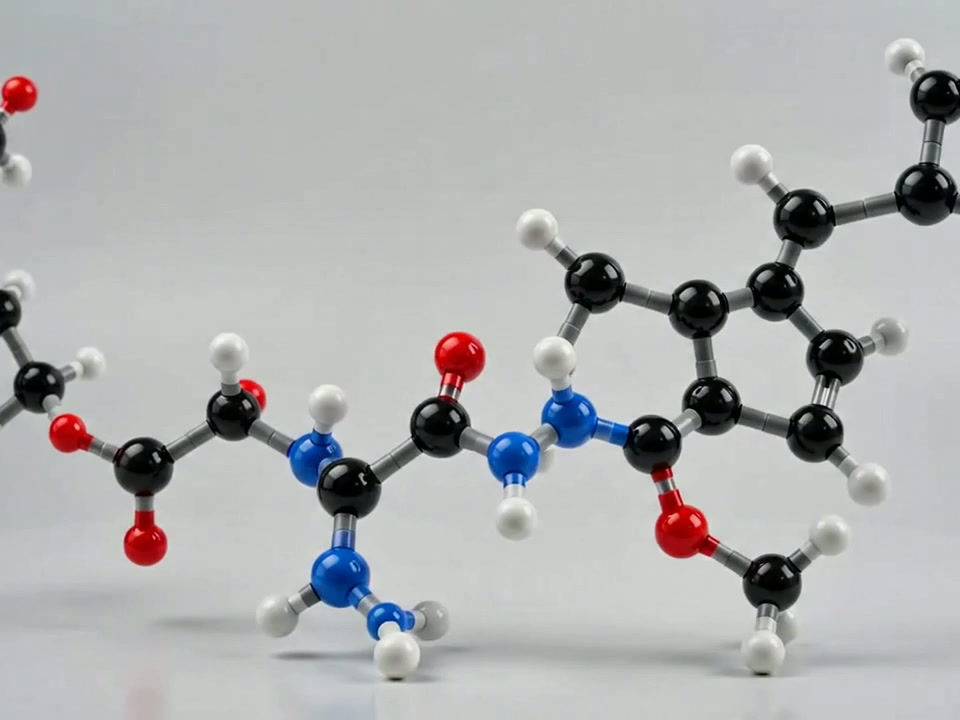
Next-generation antimicrobial peptides engineered to optimize animal resilience and performance. By targeting cellular defenses, these bio-peptides enhance natural immunity, supporting optimal biomass growth, feed conversion, and water consumption efficiency across production life cycles.

BACTERIOPHAGES
Harnessing targeted bacteriophage technology to selectively eliminate harmful bacterial pathogens in poultry and aquaculture systems. Our bio-phage solutions offer a precise, natural shield, dramatically lowering disease risk without disrupting beneficial microflora or relying on harsh chemical interventions.
INNATE IMMUNE SUPPORT
An advanced synergistic complex of bioactive peptides, beta-glucan (1,3/1,6), essential vitamins, and barrier-supporting amino acids. Engineered to stabilize the gut–immune–oxidative axis, this formulation supports innate immune vigilance and cellular defense mechanisms during critical periods of environmental and viral stress without causing overactivation.
